• Skip to primary navigation
  • Skip to main content
  • Skip to primary sidebar

StoryToGo

Exploring storytelling in its many forms in this digital age

  • Our Story
    • Our Creatives
    • Join the StoryToGo Community
  • Community Resources
    • Web Monetization Guide
      • Web Monetization Resource Library
        • Web Monetization Tutorials
        • Web Monetization Research Papers
        • Interviews and Case Studies on Web Monetized Projects
      • Web Monetized Content Library
        • Web Monetized Courses
        • Web Monetized Podcasts
        • Web Monetized Social Networking Platforms
    • Podcasting with my Cat
      • Sustainable Funding Series Vlogcast
      • Encounters in EdTech Podcast
      • The Creative Farm Podcast
      • Boma Global Studios Podcast
    • Job Board
    • Storytelling Case Studies
  • Digital Magazine
    • Accessibility
    • Art Therapy
    • Blogging
    • Case Studies
      • Analyst Report
      • Extended Reality
      • Sustainable Funding
    • Community Building
    • EdTech
    • Gaming
    • Immersive and Interactive Media
      • XR
    • Performance Arts
      • Acting
    • Social Media
    • Storytellers
      • Alex Charters
      • Bjorn Yearwood
      • Erica Hargreave
      • Henry Hargreave
      • Jennifer Rose Garcia
      • Lori Yearwood
      • Mary McDonald
    • Tech Tips
    • Web Monetization
  • Professional Development
  • Calendar
  • Contact

Storytellers

Changing the Face of Courage – a Sustainable Funding Case Study

April 30, 2019 by Mary McDonald Leave a Comment

Sarah Redohl is an immersive media journalist who creates social impact VR documentaries such as Changing the Face of Courage, Welcome Home: A Veteran’s Story and Zambia, the Gift of Mobility.

The Immersive Shooter — a resource website containing interviews with experts in the VR industry, and offering tips and nuggets of wisdom that Sarah and her co-founder Robert Hernandez wish they’d known when they were first starting out in VR.

Creators:

Sarah Redohl

Country:

Sarah was born in the US but is now living and operating out of Bohn, Germany.

Interview Date: 

March 26, 2019

Sarah Redohl

Links to Project: 

Immersive Shooter

Funding Methods:

Sarah’s funding model includes direct sponsorship through organizations, and grants from corporations invested in VR content creation. As a journalist, Sarah directly sells her work to newspapers and online journals for publication.
The Project:

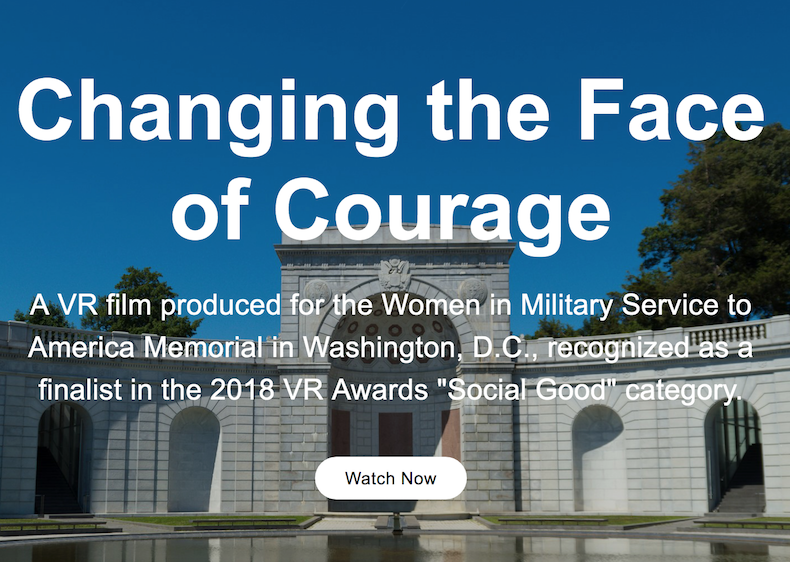
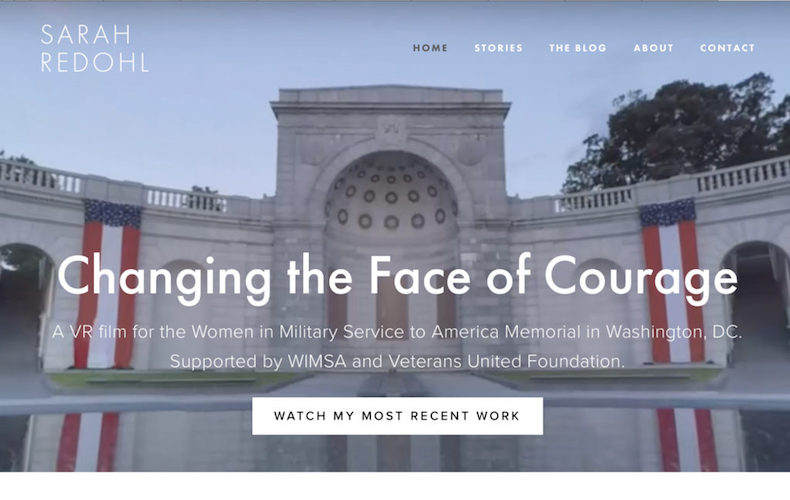
Changing the Face of Courage is an immersive 360 film which honours the history of women in the American military service.

Zambia, the Gift of Mobility is an immersive documentary about the PET (Personal Energy Transportation) all terrain wheelchairs that have changed the lives of many Zambian women who live with physical disability.

Welcome Home: A Veteran’s Story is a 360 film focussing on the issue of veteran homelessness and the Missouri non-profit who is tackling the problem. 

The Immersive Shooter: Sarah co-founded this free educational online resource for creating immersive VR work with Robert Hernandez who teaches VR journalism at University of Southern California. This website is full of the resources they wish that they had had when setting out on the journey of immersive, VR shooting, as both are passionate about helping to develop this industry.

The Immersive Shooter is important to Sarah as a resource for other creators. She is passionate about the development of VR journalism and feels the best way for that to happen is to have a lot of great content creators. The best way to do that is to make it easier for newcomers to VR to have access to the resources they wish they’d had, and to benefit from the collective wisdom of VR practitioners.
The Creator

Sarah is the immersive new media journalist behind Changing the Face of Courage and other immersive 360 film projects such as “Welcome Home, A Veteran’s Story” and “Zambia — the Gift of Mobility”.

Anything that I think makes people feel more deeply connected to the world and more deeply connected to the people I’ve chosen to profile — that’s my bread and butter.

Sarah Redohl

You can find many of Sarah’s 360 stories on her website sarahredohl.com

The Road to Sustainable Funding

Zambia, the Gift of Mobility was Sarah’s first project. This project was self-funded and freely released to allow the creators to build an international audience.

Changing the Face of Courage project was commissioned directly by the Women’s Memorial for their anniversary. As the Women’s Memorial wanted the project to be in-house, they did not want the story to be picked up and published by a big name publisher. In the past, Sarah has found in working with non-profits that being picked up by a major publishing company is one of the main goals.

Welcome Home: A Veterans Story is a project about the issue of veteran homelessness in the US. The funding model behind this project was a mix of self-funding along with a stipend from the McClatchy publishing company to include the story in their Facebook series, The War Within.

Sarah notes the funding opportunities provided by companies with a vested interest in content creation: Grant programs and opportunities like these include Youtube VR Creator lab, Google’s Jump Program, Ocular Stories Studios, and Oculus for Good.

For example, Facebook funded content for their series, Love Has No Labels.

And there’s Journalism 360 — a partnership by Google News Initiative, McKnight Foundation, and Online Journalism Association — which Sarah says has given out half a million in funding for VR projects. 

Facebook and Google have a vested interest in 360 content creation. and a lot of content has been funded by them. 

Sarah Redohl

Samsung funded the New York Times Daily 360 for some time — with a 360 video produced every day. Samsung pulled back from this program and doesn’t currently offer funding opportunities for immersive projects. 

Sarah notes that this can’t be the way projects are funded as creators never know when companies are going to pull back.

This can’t be the only way to fund what you do.

Sarah Redohl

Through The Immersive Shooter, Sarah has had the opportunity to interview many different VR creators and she offers some of the funding strategies these creators have used.

For creators who wish to release their work for profit, there are paid apps that can house their VR work. However, even these are not dependable. Sarah has heard that Steam VR has announced that they won’t be supporting 360 videos in the near future, but are considering 180 VR instead. 

Some creators have tried producing 360 Stock to subsidize their other work. Sarah has heard mixed reports on success from this kind of venture.

Liquid Cinema is an authoring tool and CMS for immersive content creators which allows creators to provide clients with a fully customized app experience for for-profit release of content.

Free Educational Resources

The Immersive Shooter is funded by a mix of advertising revenue, along with Sarah and her co-founder Robert Hernandez’s free offerings of  insights they have gained while on their own journeys of VR shooting. Funding this site was a lot easier when they started it in 2017. Sarah thinks this is because the industry has seen a pull back from VR that people in the industry are calling, “VR winter”.

Sarah is also co-founder and co-writer of the Immersive Shooter, an educational website for learning how to create immersive films. Adding new interviews depends upon the amount of advertising support they have from time to time. She continues to add tips from her own learning journey regardless of funding as this is her passion that she is driven to share.

Into the Future: Model for going forward

Self-funding projects has been hit or miss in terms of selling and placing these stories. Sarah now plans

to make sure to have those funding partners and publishing partners nailed down in as early part of the process as possible so they have buy in.

Sarah Redohl

VR Facebook communities have been talking about agencies that aim to match content creators and their ideas with prospective interested clients. This would be good.

“I’d love to see more ideas coming from content creators that don’t have to be self-funded.”

Sarah Redohl

Shifting Mindset — One of Sarah’s key tips was to take advantage of the freelance community culture, making bigger projects more sustainable and feasible through freelance relationships. This project to project approach is similar to the movie industry and is more sustainable than forming studios. The benefit of these kinds of collaborative groupings is the sense of community that has formed amongst immersive content creators. Sarah remarked that the industry is formed of a small, positive community of creators who know each other, who are excited to share best practices with each other, whose relationships are built more upon collaborating than competition and that

there’s good energy coming from the collaboration.

Sarah Redohl


Filed Under: #StoryToGo, Case Studies, Mary McDonald, Storytellers, Sustainable Funding Tagged With: documentary, social impact, sustainable funding, virtual reality

‘Monetizing Your Storytelling Content’ Panel – What Would You Ask Them?

March 7, 2019 by Erica Hargreave 2 Comments

Erica Hargreave

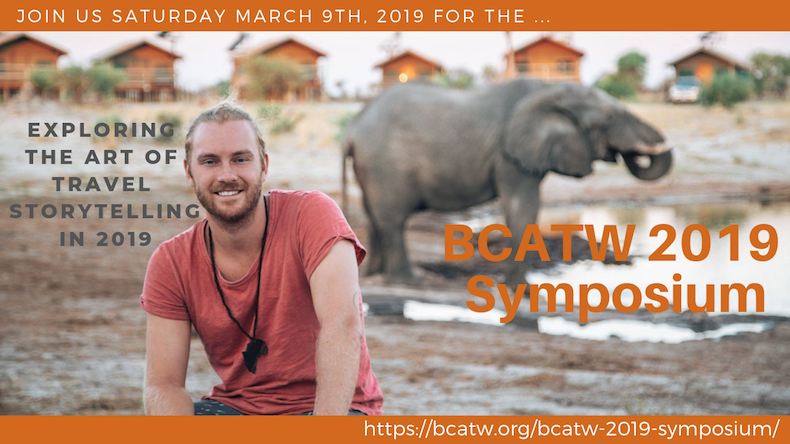
I am greatly looking forward to moderating a panel this coming Saturday, March 9th, 2019 at the British Columbia Travel Writers Symposium on ‘Monetizing Your Storytelling Content’.

Building sustainable funding models around storytelling projects is a topic that I am researching and exploring at the moment for a Master’s project with Mary McDonald (and some non-Master’s help from Lori Yearwood). Our plan is to give StoryToGo a much needed redesign and share the Case Studies in Sustainable Funding Models for Storytelling here in the StoryToGo Community, with all of you.

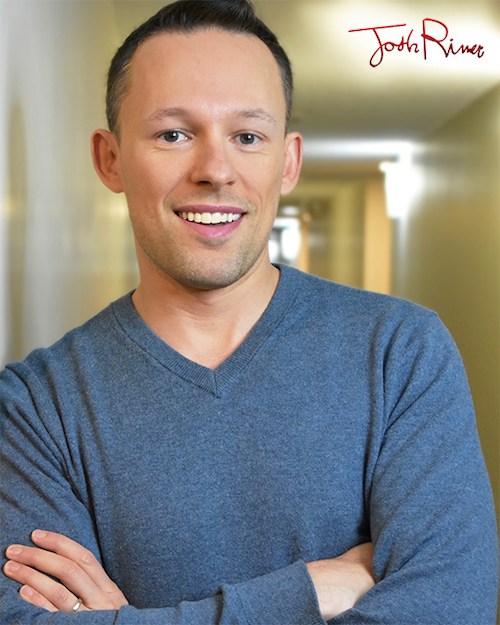
Saturday’s panel features three smart and successful storytellers and entrepreneurs from Vancouver’s travel media community. They include Vancouver blogger Miss 604 Rebecca Bollwitt (who is a pioneer in turning blogging into a business), popular YouTuber Josh Rimer (who also happens to be Mr Gay Canada 2019), and cross-platform storyteller Claudia Laroye The Travelling Mom (who has successfully bridged the worlds of traditionally and digital media in her storytelling).

So this brings me to my question to you, what questions would you ask these three around monetizing your storytelling content and building a sustainable funding model behind your storytelling?

Looking forward to your thoughts and including what I can into the panel. I will be sharing what we learn from our panelists over here at StoryToGo in the coming weeks.

Filed Under: #StoryToGo, Erica Hargreave, Events, Storytellers Tagged With: monetize, monetizing, sustainable funding, travel writing

Resource App for the Visually Impaired : Be My Eyes

February 1, 2019 by Lori Yearwood Leave a Comment

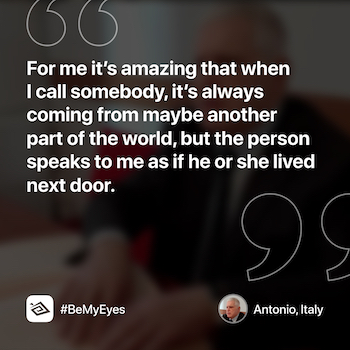
It makes us so happy to be able to highlight a FREE App that is of great use to the global community of the visually impaired, and uplifting to its volunteers. This app is accessible in more than 150 countries and in over 180 languages. The resource App Be My Eyes provides a connection between its approximately 113,800 blind/low vision and 1,919,500 sighted members. The blind can activate a call within the App using the VoiceOver accessibility feature. The call rings on a randomly selected volunteer’s phone that is matched based on language and time zone. The two are then connected via live video for the volunteer to help with a variety of possible scenarios. It is completely anonymous and users have said they feel relief knowing they are not bothering the same person over and over again for help, encouraging them to use it more.

A testimonial from the Be My Eyes App
Actually App user quote from the Be My Eyes press resources.

I myself (Lori) am a volunteer on the App and I recently answered a call where the visually impaired individual was about to put a big salmon in the oven, but couldn’t be sure that they had set the oven to the correct temperature. The individual held the phone up towards the oven where I was able to see that it read 420 degrees, instead of the 425 it was supposed to be. They adjusted the oven again and it was then 430 degrees. One more try and it was just right! The whole call took about 1 min and the individual on the other end was beyond grateful and thanked me for the work everyone is doing on Be My Eyes.

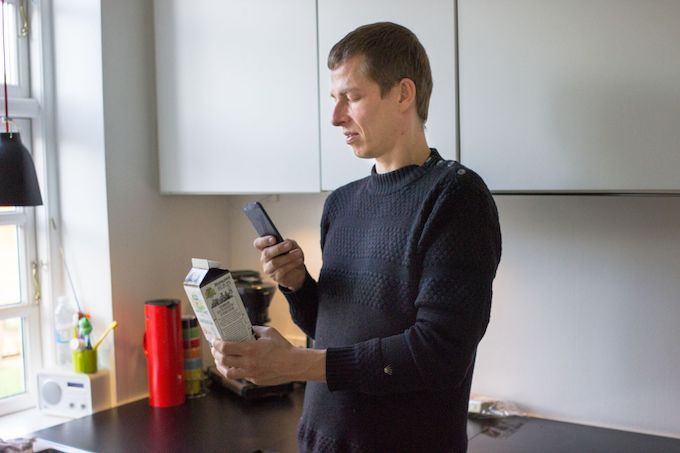
Visually impaired man video chatting to check the expiry date on a milk carton.
There is no way to check the expiry date on a product without the use of your eyes. Here, a visually impaired App user demonstrates making a call for help with that. (Image courtesy of the Be My Eyes press resources.)

There are stories featured within the App each week, sharing the many different ways the blind have used Be My Eyes for assistance. Some great examples include: reading the numbers on a blood pressure monitor, checking the colour of a tie, a call from a video transcriber to get context of the footage, distinguishing between shampoo and conditioner, helping to convert a PDF file into Word format, enabling a download to a phone where VoiceOver could read the document later, finding dropped items, and many other conundrums that many of us might take for granted.

With so many volunteers a call gets answered within a maximum time range of 30 seconds. As a volunteer you will not receive a call very often. Please consider becoming a part of this loving helpful community, but more importantly, spread the word within the visually impaired communities as human connection is so very important.

Filed Under: #StoryToGo, Lori Yearwood, Our Community, Storytellers, Tech Tips Tagged With: accessibility, human connection, voiceover, volunteer

Nicole Hunter Making Radio Waves: A StoryToGo Student Success Story

February 14, 2017 by Lori Yearwood Leave a Comment

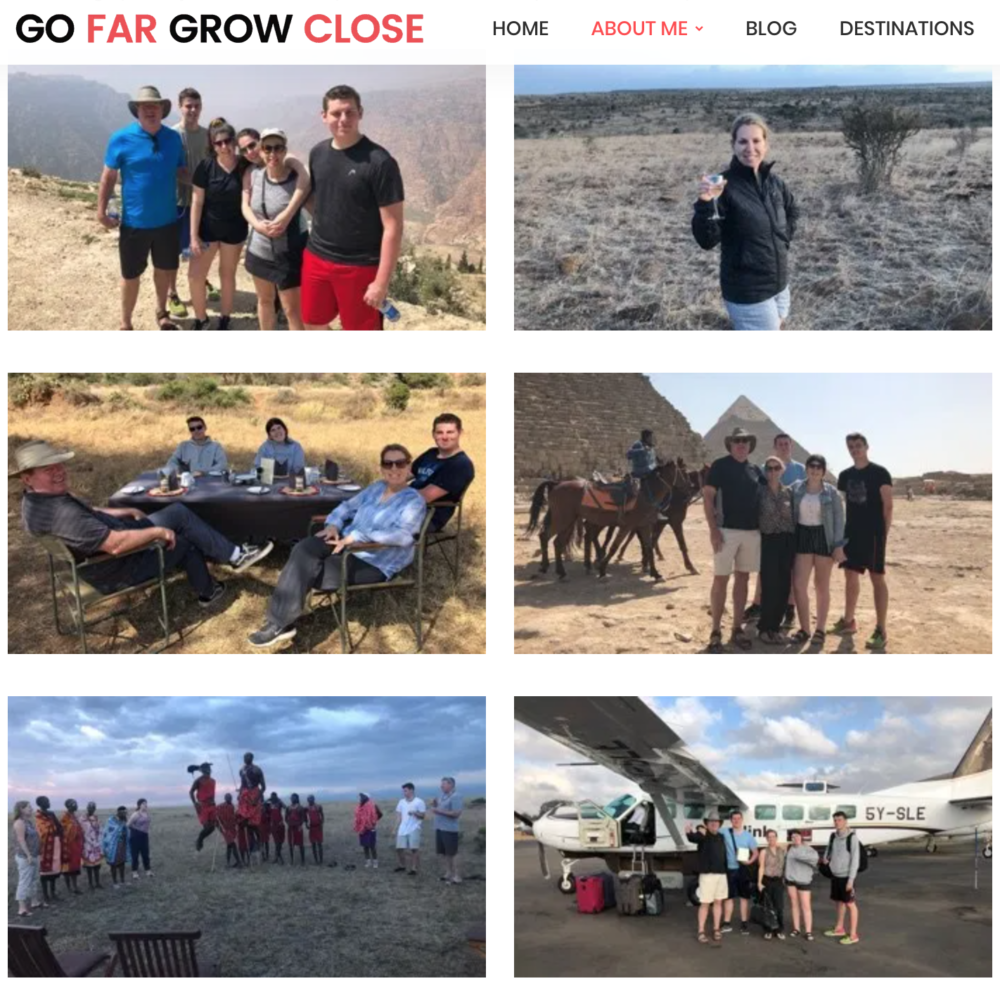
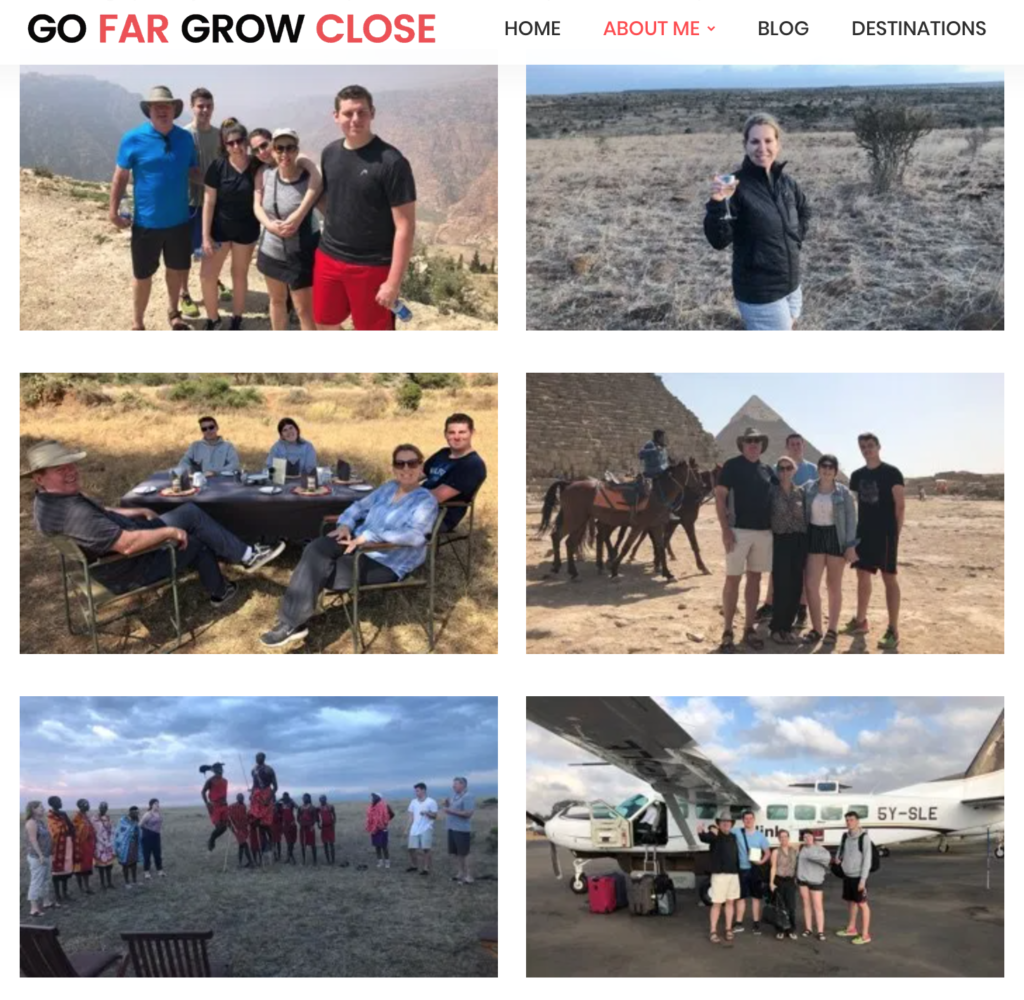
Nothing is more exciting than seeing your students’ projects start from scratch and then reach great heights. Nicole Hunter from BCIT’s Building and Engaging Communities course is doing just that! Under the guidance of instructor Erica Hargreave, Nicole set out to build a platform to share her family’s travel adventures and tips. Nicole has traveled all around the world with her four children, making her stories quite intriguing. Soon after building her website Go Far Grow Close, Nicole was featured on a radio interview with Martin Strong on Roundhouse Radio 98.3 Vancouver.

Nicole’s interview stresses enjoying family trips, not surviving them. She gives great advice on different styles of vacations based on the ages of your children. It’s clear she has a wealth of knowledge to draw on and is eager for others to share the same rewards her family has enjoyed through travel.

Take a listen for yourself and be inspired to try something new: http://cirh.streamon.fm/listen-pl-7874

Filed Under: #StoryToGo, Lori Yearwood, Our Community, Storytellers, Student Stories Tagged With: BCIT

Snapchat: Disrupter of Traditional and Social Media? Should We Care?

September 2, 2016 by Erica Hargreave Leave a Comment

This article was originally published in Reel West Magazine, and was republished here to archive it, after the close of the magazine.

I’ll admit it – initially, I did not care about Snapchat. In it’s early days, it was known as the sexting app – mainly because the text and drawing editable photo and video messages disappeared after viewing them.  Call me a prude, but the idea of someone sending me their homemade porn was far from appealing.  And in the event that the guy wanted to send me flirtatious messages then my romantic side questions why I’d want to use an app in which our playful banter disappeared.

So why then am I now brainstorming ways of using Snapchat on our future projects and experimenting with different forms of storytelling content on it?

Well, in case you hadn’t heard, Snapchat has become mainstream. For the same reason why Snapchat became popular as a sexting app, has also made it popular with teens experimenting with social media, and parents who wish a safer environment for their teens and preteens to ease their way into social sharing. Namely, in that the pictures and videos disappear, so what you share in the moment, remains in the moment, and is not something you have to worry about how other people will interpret later in life or resharing and finding elsewhere on the web. Also refreshingly, its an app with no competition for likes or followers.

Why should we care about any of this? Well, because Snapchat has become THE Platform for connecting with teens and millennials – even more so than Instagram. It is in fact, currently the fastest growing social network of millennials.

What caused this increase in popularity? A few things. First was the release of ‘stories’ in 2013, which allowed users to make their snaps viewable over a 24-hour period with all their friends or even with everyone on Snapchat. Then in 2015, Snapchat released 2 major game changers. The first was the addition of Discover – Snapchat’s version of broadcasters with broadcast partners like MTV, National Geographic, Comedy Central, Food Network, and VICE; magazines like Cosmopolitan and People; and digital media sources like BuzzFeed and Mashable, all hosting their own Snapchat broadcast channel. These broadcast partners provide content and even mini-series that people can only watch on Snapchat. Interestingly enough, the fact that viewers can only watch the content once – much like television historically, is why Snapchat users are tuning in daily, so as to avoid the ever scary millennial FOMO (Fear Of Missing Out). Snapchat’s second big release in 2015 was the release of their lenses – that turned selfies into selfie pooches, bumblebees, made you spew rainbow vomit, and the likes. Admittedly, this is when I started paying more attention to Snapchat as my colleagues started sharing crazy fun Snapchat selfies, and I watched the hair, makeup and wardrobe team on set experimenting with different lenses and snapping snapchat selfies with the cast.

In asking friends that are avid snapchatters what appeals to them about it, here is what I was told:

It’s storytelling for the sake of storytelling. … It’s more real, not making photos look perfect like on Instagram, or composing happy looking or possibly staged shots for Facebook. … It’s nature is more playful.

Digital Storyteller Lori Yearwood

I love the ephemerality of everything … but that’s why film and tv people struggle with it, there aren’t engagement metrics, comments, etc. that they can link to later.  

ARG Strategist Steve Peters

So what does this mean in terms of your productions and projects? How can Snapchat be used in your web series, TV series or film endeavours?  According to Marketing Strategist and Writer Abdaraouf Douai, “Fans adore behind the scenes, teasers and sneak peaks. Always leave them wanting more!”, while Steve Peters is “interested in it from a storytelling perspective, if it’s used organically within a fiction.”

Ultimately, I think the key is diving in and having fun playing with it. Audiences expect what they find on Snapchat to be rawer and unscripted.  In fact, that is part of what they like about Snapchat – the fact that it feels more real. And as the content disappears after you’ve watched it once, it provides a great platform for sharing teasers during filming, and now (thanks to the addition of the ‘Memories’ feature on Snapchat) previously shot content can be shared leading up to broadcast of your web series, TV series or film. As cast and crew are already entertaining themselves with Snapchat in their downtime on set, it could be a great way to engage fans more organically from set with behind the scenes fun from the cast and crew, purposefully sharing some hints and rumours from filming.  Thanks to the temporary nature of the content, it restricts the spread of spoilers – which so many productions worry about with cast and crew content shared on other social media platforms. I can also see it being used for extras to compliment a web series, TV series or film, but which are not a direct part of the production – mini-web series on the periphery, with a rawer, more reality based feel. These should be something that viewers can only get on Snapchat. It also holds potential as a great platform for creating and releasing gaming or contest related content – in which fleeting clues are released daily, encouraging the community to view daily, before the clue disappears forever. 

Whichever way you decide to use Snapchat, the key is to have fun, as that is ultimately what Snapchat is all about! We’d love to hear how you are using Snapchat on your projects. Tweet us about it at @AhimsaMedia or on the #StoryToGo hashtag!

Filed Under: #StoryToGo, Erica Hargreave, Social Media, Storytellers Tagged With: snapchat, social media

Did You Hire the Right Social Media Team for Your Project?

May 13, 2016 by Erica Hargreave Leave a Comment

This article was originally published in Reel West Magazine, and was republished here to archive it, after the close of the magazine.

The ‘Social Media Expert’ or ‘Consultant’ has become a shingle that too many people are hanging on their door, and I have seen too many productions miss an opportunity by hiring the wrong social media team.

Why does it really matter?  Why can’t we just use the free intern to do our social media for us?

Well, in case you haven’t noticed, the media landscape has changed.  Social media has become increasingly popular with our audiences and with brands.  Why does this matter?  Because …

  • The film and television funding model is changing. Brands are increasingly moving their advertising dollars away from traditional television to digital and social media.  
  • The audience has an increasing number of choices for where to get their stories.  

If you are creating quality social media storytelling that is unique from the film, television or web series, and have built an engaged audience on social media, you are opening up your storytelling to other opportunities – both in terms of alternate sources of funding and alternate platforms for delivery.

So … did we hire the right social media team?

First, let’s look at what are NOT the qualifications to seek out for a good social media team:

  • grew up with social media
  • cheap (or expensive, for that matter)
  • friends with the broadcaster
  • have previously done social media for other film, television or web series
  • own or work in a marketing or PR firm
  • have social media accounts of their own

Now don’t get me wrong, any of the above individuals or teams could make for great social media storytellers, but they are NOT reasons for hiring someone for the job.

What does make for a good social media storyteller, then?

  • Someone who understands that they are augmenting your storytelling for the film, television or web series, and not simply marketing the show time or regurgitating exactly what has been said in the show.

Our audiences are more sophisticated than we give them credit for and they don’t enjoy being blatantly marketed to on social media.  It is important that those show times are shared, but in a clever way, and not where it is the predominant message being shared on social media.

  • They understand who your audience is, how to develop a ‘voice’ on social media that will appeal to that audience, where to find that audience online and how to engage that audience, so that they become invested in the film, television or web series.
  • They understand who your audience is, how to develop a ‘voice’ on social media that will appeal to that audience, where to find that audience online and how to engage that audience, so that they become invested in the film, television or web series.
  • They understand who your audience is, how to develop a ‘voice’ on social media that will appeal to that audience, where to find that audience online and how to engage that audience, so that they become invested in the film, television or web series.
  • They understand who your audience is, how to develop a ‘voice’ on social media that will appeal to that audience, where to find that audience online and how to engage that audience, so that they become invested in the film, television or web series.
  • They understand who your audience is, how to develop a ‘voice’ on social media that will appeal to that audience, where to find that audience online and how to engage that audience, so that they become invested in the film, television or web series.
  • They understand who your audience is, how to develop a ‘voice’ on social media that will appeal to that audience, where to find that audience online and how to engage that audience, so that they become invested in the film, television or web series.
  • They understand who your audience is, how to develop a ‘voice’ on social media that will appeal to that audience, where to find that audience online and how to engage that audience, so that they become invested in the film, television or web series.
  • They understand who your audience is, how to develop a ‘voice’ on social media that will appeal to that audience, where to find that audience online and how to engage that audience, so that they become invested in the film, television or web series.

Checking In: Is your Social Media Team doing it right?

While it is great to have your social media team evaluating and reporting the social media stats to you on a regular basis, this is time consuming work and shouldn’t come at the expense of the actual social media work – creating content, engaging the audience, and building community.  Limit this to every month or two, unless you are just looking for a bare basics email update, rather than a full report.

Also a few things to remember:

  • Connecting with your ideal community is more important than mass numbers.
  • Connecting with your ideal community is more important than mass numbers.

More importantly, do a check of your own to make sure the social media team is actually connecting with your desired community and not just their friends and spam accounts. To do this: look at the accounts they are following on instagram and twitter.  If they are mainly film industry, follow4follow, and major player / news accounts, then you have a problem – they are not actually connecting with your desired audience.

Ultimately at the end of the day, remember that your social media is an extension of your film, television or web series.  By doing the social media storytelling right, you can create opportunities for your project, and increase your leverage with brand sponsors and broadcasters.  Treat it with value.

For more of StoryToGo’s story and that of our community, connect with us on twitter at @AhimsaMedia and with the hashtag #StoryToGo.

Filed Under: #StoryToGo, Erica Hargreave, Social Media, Storytellers Tagged With: social media

« Previous Page
Next Page »

Primary Sidebar

#StoryToGo is a community designed to reflect storytelling today – shared both through traditional means of oral storytelling, radio, film and TV, and print; in addition to newer forms of media storytelling through the digital arts, including gaming, blogging, online video, and social media.

Explore Past Posts


Tags

accessibility AI for filmmaking AI for videography AR art art therapy art therapy activities augmented reality BCIT clown crowdfunding crowdsourced Elementari elevator pitch Extended Reality FilmFreeway filmmaking game game based learning game design game development health and wellness home education improv inclusive design literacy NFT non-fungible tokens online learning open education phishing scam photography pitching poetry social media storytelling storyworlds sustainable funding universal design video game virtual conference virtual reality Web Monetization XR XR Development

On the Beat with StoryToGo

Follow along on StoryToGo’s digital magazine for our latest case studies, upcoming free courses and webinars, technology tips and tricks, story musings,  and our latest job boards!

  • Case Studies
  • Tech Tips
  • Events
  • Jobs
  • Our Community
  • Courses

Copyright 2012 © 2026 · Ahimsa Media · Log in